Turtuk Travel Guide

Turtuk is The Last Village of India You Must Explore
Tucked away in the breathtaking landscapes of Ladakh lies a village that feels like a different world altogether, TurTuk. If you’re someone who craves offbeat travel experiences, lesser-explored destinations, and a glimpse into a unique culture and history, TurTuk should be on your bucket list.
Where is TurTuk Located?
TurTuk is located in the Nubra Valley of Ladakh, just 12 km from the Line of Control (LoC) between India and Pakistan. It is one of the last inhabited villages on the Indian side of Baltistan, making it a truly fascinating place both culturally and geographically.
Until 1971, TurTuk was part of Pakistan and was opened to tourists only in 2010. This remote village remains one of India’s best-kept secrets, accessible via a stunning drive through Khardung La and the Shyok River route.
Why Visit TurTuk?
1. Baltistani Culture
TurTuk is home to the Balti people, whose language, food, and customs are entirely different from the rest of Ladakh. Visiting TurTuk feels like stepping into a different country. The villagers are warm and hospitable, and their unique way of life is preserved in its truest form.
2. Breathtaking Scenery
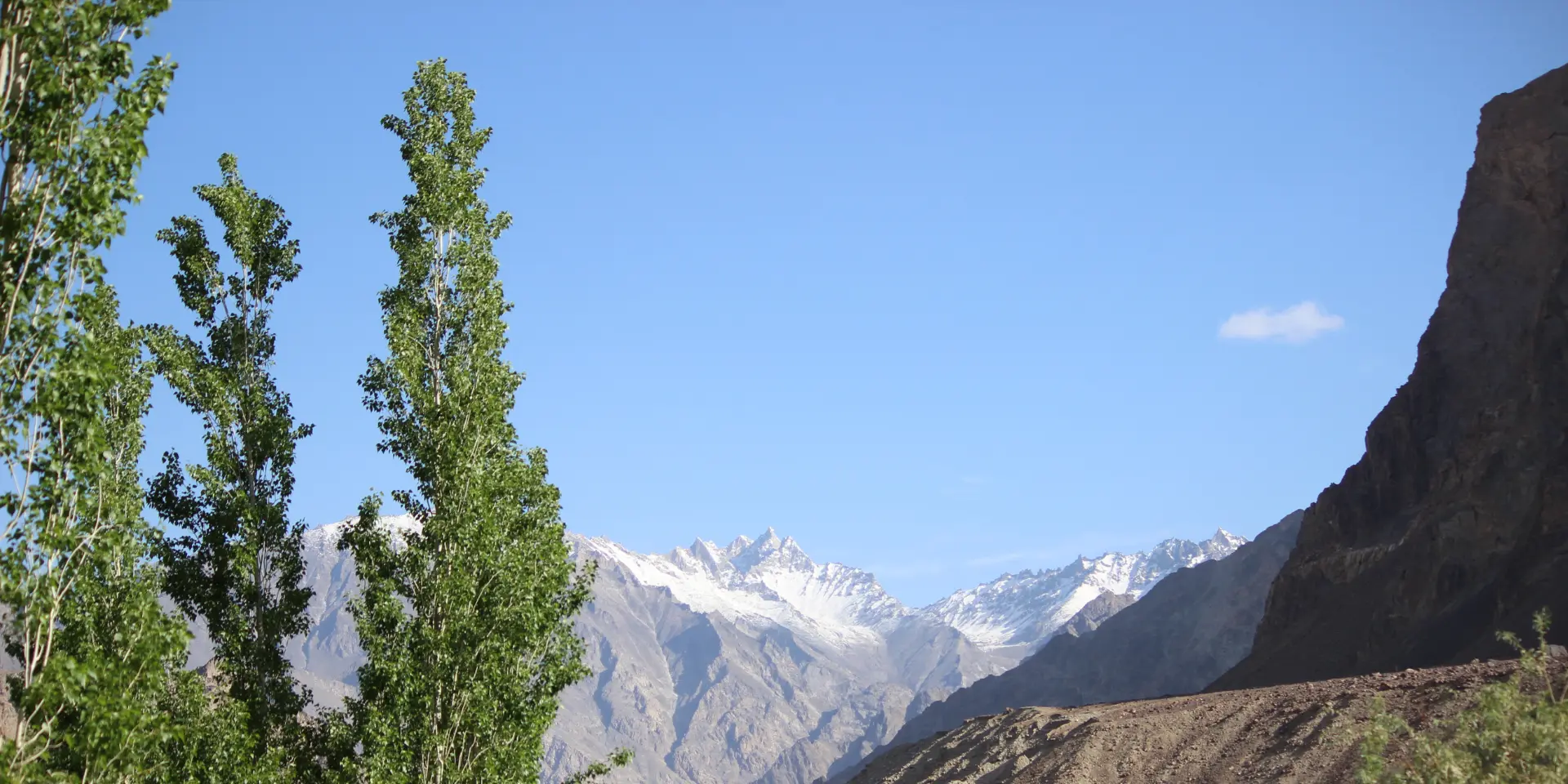
Surrounded by apricot orchards, majestic mountains, and crystal-clear streams, TurTuk is visually stunning. It offers a green escape unlike any other in the barren deserts of Ladakh.
3. Offbeat Experience
If you’re tired of the usual touristy circuits, TurTuk gives you that authentic “off-the-map” experience. With limited mobile connectivity and rustic charm, it’s a perfect digital detox destination.
Top Places to Visit in TurTuk
Despite its small size, TurTuk is full of raw beauty, history, and cultural richness. Here are the best places to visit in TurTuk that will immerse you in its unique charm:
1. Yabgo Dynasty Royal House and Museum
One of the most important historical landmarks in TurTuk, this house belongs to the descendants of the Yabgo Dynasty, which once ruled Baltistan. The family has opened part of their ancestral home to visitors, where you can view:
Ancient utensils, coins, and weaponry
Royal clothing and traditional Balti artifacts
Photos and stories from the pre-partition era
2. Turtuk Old Mosque
Believed to be over 500 years old, this mosque is an architectural marvel, combining Tibetan, Persian, and Mughal influences. The prayer area is made of intricately carved wood, and you can see floral motifs on the walls.
Respect local customs by dressing modestly when visiting.
3. TurTuk Waterfall Trek
An offbeat gem, the waterfall trek in TurTuk is a short yet scenic hike through apricot orchards and rocky terrain. The trail leads to a hidden waterfall surrounded by wildflowers and mossy rocks.
Duration: 2–3 hours trek
Difficulty: Easy to Moderate
Ideal for: Nature lovers, photographers, and families. Ask any local or your homestay host for directions.
4. Balti Heritage Museum and Cold Storage
This community-run museum is located inside a traditional Balti house and showcases:
Traditional clothing (Gonchas)
Farming tools, old photographs
Balti kitchen setup and musical instruments
Near the bridge in the main village
Timings: 9 AM to 5 PM
This is a private museum and cold storage, and an entry fee is required for the same.
5. Thang Village (India’s Northernmost Village)
Located about 10 km from TurTuk, Thang is the last accessible village on the Indian side before the Actual Line of Control. You can literally see the village of Pakistan-occupied Gilgit-Baltistan across the river.
6. Traditional Wooden Bridges & Stone Lanes
A walk around TurTuk is like stepping back in time. Explore:
Wooden cantilever bridges over glacial streams
Stone paths between homes and farms
Ancient irrigation channels (guls)
7. Apricot & Walnut Orchards
TurTuk is lovingly known as the “Apricot Capital of Ladakh“. The orchards burst into color during summer (July–August) and are a sight to behold. You can pick fresh apricots, taste local jam, or even buy sun-dried fruits directly from villagers.
8. Viewpoint near River Shyok
There’s a small ridge just outside the village that offers a panoramic view of the Shyok River Valley and the Karakoram mountains. Best visited during sunrise or sunset.
Follow the trail behind the mosque or ask locals for “river point.”
How to Reach TurTuk
From Leh: Drive via Khardung La Pass to Nubra Valley and continue towards Hunder and then TurTuk. It’s a scenic 6–8 hour drive covering ~205 km.
You can also take a shared cab or bike tour.
No public transport is available directly to TurTuk.
Where to Stay in TurTuk
Most accommodations in TurTuk are homestays or small guesthouses. Recommended options include:
Turtuk Holiday Camp
Balti Homestay
Himalayan Wooden Cottage
These places provide comfortable stays with local food and genuine hospitality. Find them on TripAdvisor for reviews.
Travel Tips for TurTuk
No Internet or Mobile Networks: BSNL/Airtel might work intermittently.
Carry Cash: No ATMs or card machines available.
Respect Local Customs: Always ask before photographing people.
Permit: Indian nationals do not need a permit other than Leh permit whhc can be booked here but foreigners require a Protected Area Permit.
FAQ’s about TurTuk

1. Where is TurTuk located?
TurTuk is a remote village in the Nubra Valley of Ladakh, India. It lies on the banks of the Shyok River and is the last village on the Indian side before the Pakistan border, just 10 km from the Line of Control.
2. How can I reach TurTuk?
You can reach TurTuk by road from Leh via Khardung La and Nubra Valley. The route is:
Leh → Khardung La → Diskit → Hunder → TurTuk
Distance: Around 205 km from Leh
Travel Time: 6 to 8 hours by car or bike. A private cab, bike, or joining a group tour are the best options.
3. Do I need a permit to visit TurTuk?
Yes, Indian citizens need an Inner Line Permit (ILP) to visit TurTuk. Foreigners are not allowed to go beyond Hunder due to proximity to the border.
You can get the permit online via Ladakh’s official portal or through a local travel agent.
4. Is TurTuk safe to visit?
Absolutely. Despite being close to the border, TurTuk is completely safe for tourists. The Indian Army maintains a strong presence in the region, and locals are very hospitable.
5. What is TurTuk famous for?
TurTuk is known for:
Its unique Balti culture (shared with Baltistan in PoK)
Lush apricot orchards
Proximity to the LOC
Stone houses, heritage museum, and Royal House
Being one of the last villages to join India after the 1971 war
6. What’s the best time to visit TurTuk?
The best time to visit TurTuk is from May to September, when the weather is pleasant, roads are open, and the apricot trees are in bloom.
- April–June: Blossom Season
- July–August: Apricot Harvest
- September: Best for photography with clear skies and fall colors
7. Can I find mobile network and internet in TurTuk?
Mobile connectivity in TurTuk is limited.
BSNL and Airtel postpaid work in some areas.
Internet is extremely slow or unavailable, so it’s best to download offline maps and inform loved ones in advance.
TurTuk is ideal for a digital detox.
8. Are there ATMs or medical facilities in TurTuk?
No, TurTuk does not have ATMs or major medical facilities.
Carry sufficient cash from Leh or Diskit.
For medical needs, basic first aid is available, but major hospitals are in Leh.
9. What kind of food is available in TurTuk?
Food in TurTuk is typically Balti-style or Ladakhi-style. Most homestays offer:
Local breads, soup, and vegetables
Apricot-based dishes or desserts
Simple Indian meals like dal-chawal or maggi. Non-veg is available but limited — try Balti-style chicken or mutton if your host serves it.
10. How many days should I spend in TurTuk?
2 days in TurTuk is ideal for:
Exploring the village, museum, and royal house
Doing the waterfall trek
Visiting Thang village.
Interacting with locals and soaking in the peaceful vibe.
11. Can I stay overnight in TurTuk?
Yes! There are many homestays, cottages, and eco-resorts in TurTuk offering clean, cozy rooms with home-cooked food.
Popular options:
Balti Heritage Homestay
Turtuk Wooden Cottage
Turtuk Holiday Resort
12. Is TurTuk open all year round?
No, TurTuk is not accessible in winter (mostly from November to April) due to heavy snowfall and closure of the Khardung La Pass. The best travel window is May to September.
13. What should I pack for a trip to TurTuk?
Essentials include:
Warm clothes (even in summer, nights are cold)
ID proofs for permits
Offline maps or printed routes
Power banks
Sunscreen and sunglasses
Torchlight for night use
14. Can I visit TurTuk on a bike trip?
Yes! Many travelers include TurTuk in their Leh–Nubra–Turtuk bike circuit. However, be cautious of rough roads and fuel up at Diskit as fuel stations are limited.
15. Is there a local guide available in TurTuk?
Yes, several locals act as guides for treks, cultural tours, and visits to Thang Village. Ask your homestay host or book through an operator like Wildfloc for a curated experience.
Planning to Visit TurTuk?
We at Wildfloc Adventures curate authentic travel experiences in TurTuk, including:
Cultural walks
Waterfall treks
Homestay bookings
Visits to Thang Village with permits
👉 Connect with our travel team on WhatsApp.
👉 Book a curated Ladakh tour including TurTuk
Our Offbeat Ladakh Tour Package offers a comprehensive itinerary providing an immersive experience into the heart of Kashmir’s hidden beauty.
For more information or to book your adventure, visit www.wildfloc.com or contact us at care@wildfloc.com.